


Synthesis Tutor Review: My 8-Year-Old Learned Multiplication Before School Taught It

ON THIS PAGE
Subscribe To Get Weekly Family AI Discoveries

- My 8-year-old learned multiplication grouping (7 x 3 = three groups of seven) before his school even introduced it
- My 5-year-old struggled and only lasted a few minutes - age 5 may be too young for most kids
- The AI adapts to your child's level and uses multiple teaching approaches - blocks, number lines, word problems
- Parent supervision is essential - this is NOT set-and-forget learning
- At $119/year for up to 7 kids, it's cheaper than tutoring but pricier than free alternatives like Khan Academy
My 8-year-old just learned multiplication grouping using an AI tutor. He hasn't even started multiplication in school yet.
After 30 minutes with Synthesis Tutor, he understood that 7 x 3 means three groups of seven. He could see seven icons wrapped in three circles and work out that 7 x 3 = 21 - without memorizing times tables.
I'm still genuinely surprised he grasped it. This is a concept his school hasn't introduced yet, and he got it through an app. That's the promise of AI tutoring: personalized learning that meets your kid exactly where they are and pushes them forward.
But here's the thing - I also tested it with my 5-year-old daughter, and she struggled. Same app, very different results. Here's what actually happened with both kids, the wins, the frustrations, and whether it's worth your money.
Not sure which tool is right for your child?
Take our free 2-minute quiz and get personalized AI tool recommendations based on your child's age and interests.
What Is Synthesis Tutor?
Before diving into our testing, some quick background. Synthesis Tutor is an AI-powered math app for kids ages 5-11, covering the K-5 curriculum. It was founded by Josh Dahn, who started an experimental school at SpaceX with Elon Musk back in 2014 - a school called Ad Astra (Latin for "to the stars").
The app has a 4.7-star rating from over 8,000 reviews on the App Store. It's available on iPad, desktop, and Chromebook, with Android tablet support coming soon.
But ratings don't tell you if it'll work for your kid. Here's what happened when we actually used it.
The Setup: Testing With Two Kids
I signed up for Synthesis Tutor back in May ($79.20/year at the time - now $119/year). I tested it with both my kids:
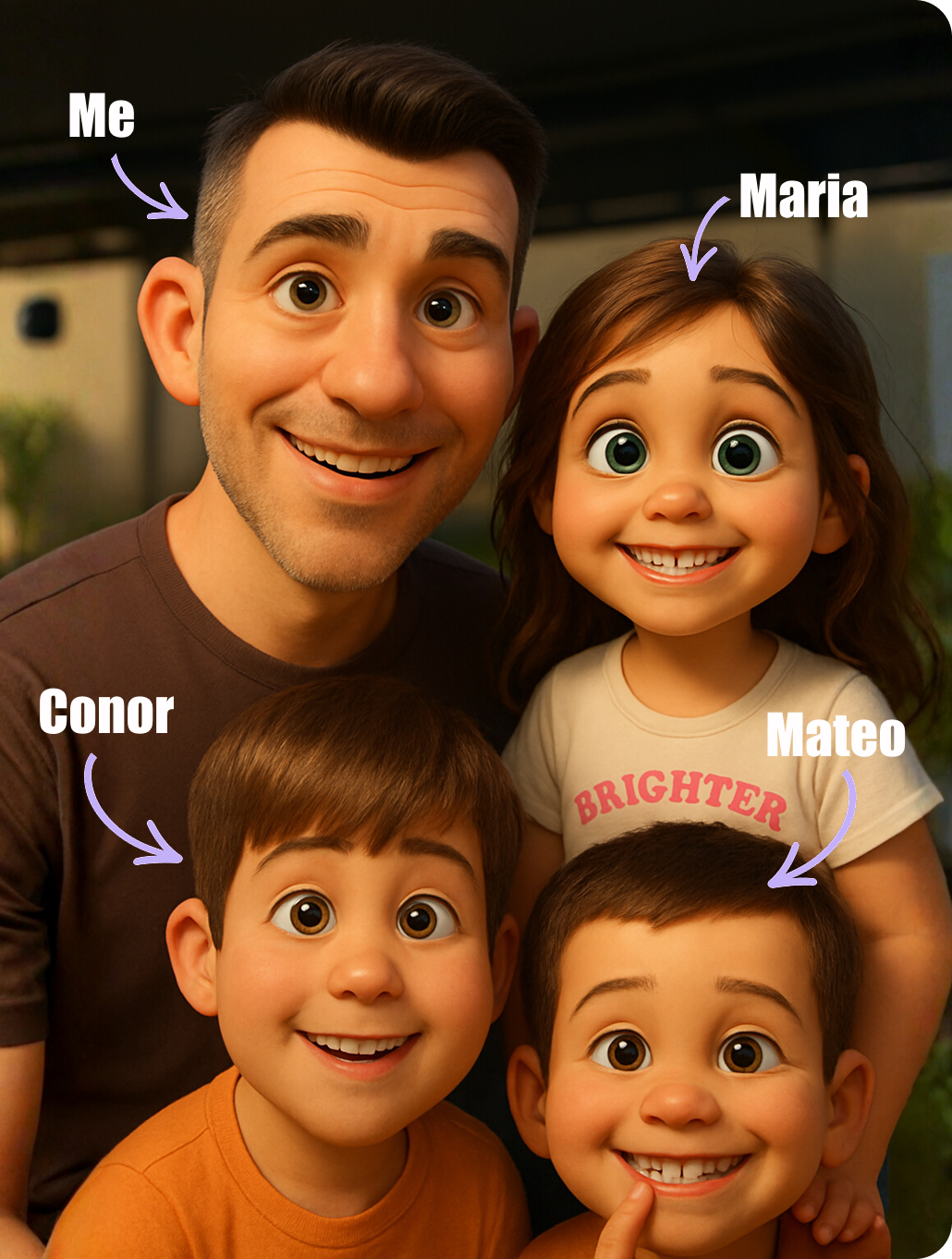
- My 8-year-old son Mateo (2nd class): Working on addition and subtraction at school
- My 5-year-old daughter Maria (Junior Infants): Just starting to learn numbers
I wanted to see if an AI tutor could actually teach math better than worksheets - and whether the "ages 5-11" claim held up at both ends of that range.
Testing With My 8-Year-Old: The Success Story
Our testing: Two sessions. 20 minutes, then 30 minutes. iPad only.
Multiple Teaching Approaches for the Same Concept
The AI didn't just show "12 + 13 = 25" and move on. It used blocks, number lines, and word problems to explain the same idea from different angles. This reinforced what Mateo already knew from school and helped concepts actually stick.
This matches what other reviewers have found. One educator noted that the tutor "doesn't just reinforce what kids learned, it truly checks for and develops understanding." For visual learners especially, seeing math represented multiple ways makes a real difference.
Adaptive Challenge Level
He enjoyed the challenge. The AI figured out his level quickly and pushed him slightly beyond his comfort zone without overwhelming him. That sweet spot between "too easy" and "frustrating" is hard to hit - Synthesis got it right.
Unlike Khan Academy, which can feel like watching videos and doing worksheets, Synthesis engages in back-and-forth conversation. It asks questions, responds to answers, and adjusts in real-time. One reviewer described this adaptive system as "magical and priceless beyond compare."
The Multiplication Breakthrough
By session two, he was more confident. The tutor introduced multiplication using visual grouping: seven icons wrapped in three circles. He could see that 7 x 3 = 21 without memorizing times tables.
I'm still genuinely surprised he managed to grasp multiplication even though he hasn't done it in school yet. That's the personalized learning advantage - the AI met him exactly where he was and moved forward from there, even into topics his school hasn't covered.
💡 Parent Insight: When he figured out 7 x 3 = 21, I made a big deal about it. "You just learned multiplication before school even taught it!" That built confidence and made him want to try the next challenge. Celebrate the wins out loud.
Try Synthesis Tutor free for 7 days and see if your kid has a similar breakthrough.
Testing With My 5-Year-Old: The Struggle
Different kid, very different experience.
My 5-year-old daughter Maria is in Junior Infants - she's just starting to learn numbers. I set her up with Synthesis to see if it could work for the younger end of the "5-11" age range.
She lasted a few minutes.
The activities were too advanced for where she's at. She got frustrated quickly and wanted to stop. The one thing she did enjoy? The "screen smashing" activity where you break objects apart - it's designed to teach fractions by showing how a whole becomes parts.
She liked smashing things on the screen. She didn't understand why she was doing it.
My Take on the Age Range
Synthesis says it's for ages 5-11, but based on our testing, I'd say 6-7 is probably the realistic minimum for most kids. Your 5-year-old would need to already be comfortable with basic number recognition and simple addition to get value from it.
If your child is in Junior Infants or Kindergarten and still learning to count, they'll likely struggle. Wait 6-12 months and try again.
⚠️ Age Reality Check: The 7-day free trial is essential if you have a younger child. Test it before paying to see if your 5 or 6-year-old is actually ready - don't assume because they're in the age range that it'll work.
What Didn't Work: The Frustrating Parts
Name Pronunciation Problems
The AI kept mispronouncing Mateo's name. "Ma-TAY-oh" instead of "Ma-TEH-oh." We re-recorded it multiple times. Never fixed.
This frustrated him a lot at first. Eventually he just accepted that the robot doesn't know his name. But for a tool claiming to be "personalized," getting the kid's name wrong is rough.
I'm not alone here. Other parents on Trustpilot report similar microphone recognition issues - one noted that "microphone input by the child rarely gets recognized" across multiple devices. If your child has an unusual name or pronunciation, prepare them that the AI might get it wrong.
Correct Answers Marked Wrong
This happened a few times with Mateo. He'd get frustrated, I'd come check, and yes - his answer was correct. The AI just didn't recognize it.
Without me in the room, he would have walked away. Kids get frustrated easily with technology. They need a parent nearby to say "take a breath, try again" or to validate when they're actually right.
⚠️ Important: This is NOT set-and-forget learning. You need to be within earshot. I could hear the tone in his voice change and knew when to check in. Being in the next room means you can intervene when frustration starts building.
Content Depth Varies
This didn't affect us in two weeks of testing, but it's worth noting: multiple parents report their kids finishing all available content in 1-3 months. One App Store reviewer mentioned completing "all units in one month." Another parent in our neighbourhood said their son "ran out of content in 3 months and now just plays the games."
If your child is an advanced learner who uses the app daily, they may exhaust the material faster than you'd expect. Something to watch for.
The Screen Time Question
Funny moment: When I handed Mateo the iPad, he said "This isn't my screen time, right?"
I told him no, this is separate. This is learning time, not YouTube time.
But honestly? It's still a screen. And that's something to consider if you're trying to limit device use. Even educational apps add to total screen exposure. One teacher-reviewer recommended blending Synthesis with physical manipulatives - blocks, fraction tiles, number lines - for complete understanding. We've started doing this too.
What Other Parents Are Saying
I'm not the only one testing this. Here's feedback from parents in our neighbourhood and online reviews:
Positive feedback:
- "My daughter has been actively using it, enjoying it far more than classroom math"
- "My 10yo son went from hating math to asking to do Synthesis Tutor ALL. THE. TIME." (Trustpilot review)
- "My kid is loving it. He's 6 and does an hour every day"
- "My boys have enjoyed this program over the others we have tried... IXL, Prodigy, and ABC Mouse. I feel like they are actually learning the math concepts."
Negative feedback:
- "It's not a true 'tutor' where you can ask it anything"
- "The problem is that he ran out of content in 3 months and now just plays the games"
- One Trustpilot reviewer found lessons "way too easy" - appearing "two grades below his own level" despite correct grade selection
- Another noted the iPad app "doesn't work" properly on their device
Mixed reviews. Some kids love it. Some finish the content too quickly. Some hit technical issues. The App Store's 4.7-star average suggests most experiences are positive, but your mileage may vary.
Who Is Synthesis Tutor Best For?
Based on testing with both my kids and my research, Synthesis works particularly well for:
- Kids ages 6-10 who need extra math practice (5 may be too young for most)
- Visual learners who benefit from seeing concepts multiple ways
- Neurodivergent children - the app is specifically designed to support kids with ADHD and autism
- Kids with math anxiety who need patient, non-judgmental instruction
- Families with multiple children - one subscription covers up to 7 kids
It's less ideal for:
- Very young children (age 5) who are still learning basic number recognition
- Advanced learners who might exhaust content quickly
- Kids needing human connection - it can't replace a real tutor's flexibility
- Families wanting fully independent learning - parent supervision is required
3 Tips That Made Sessions Go Smoother
1. Set Expectations Before Handing Over the iPad
Tell your kid: "This is learning time, not play time. The robot teacher might make mistakes. If you get frustrated, call me over."
This prevented the "I'm done with this!" meltdown when the AI marked a correct answer wrong.
2. Stay Within Earshot
You don't need to hover. But being in the next room means you can intervene when frustration starts building. I could hear the tone in Mateo's voice change and knew when to check in.
3. Celebrate the Wins Out Loud
When he figured out multiplication, I made it a big moment. That built confidence and made him want to try the next challenge. Small celebrations matter.
Platform Comparison: How Does Synthesis Stack Up?
Here's how Synthesis Tutor compares to other options we've considered:
Khan Academy Kids (Free)
- Pros: Free, gamified, broad subject coverage, 150+ million users
- Cons: Less adaptive, feels more like homework. AI component ($4/month) just "writes out feedback vs actually engaging with the child in a back and forth conversation"
IXL ($10-20/month)
- Pros: Massive question bank, detailed progress tracking
- Cons: Can feel like endless drill-and-practice
Prodigy Math Game (Free with premium option)
- Pros: Highly gamified, kids love the RPG elements
- Cons: Game elements can distract from actual learning
Synthesis Tutor ($119/year)
- Pros: Truly adaptive, conversational AI, focuses on conceptual understanding, covers up to 7 kids
- Cons: Name pronunciation issues, answers sometimes marked wrong, needs parent supervision, some kids exhaust content, may be too hard for age 5
Real Human Tutor ($40-60/hour)
- Pros: Flexible, builds relationship, can teach any subject, handles frustration in real-time
- Cons: Expensive, scheduling hassle, quality varies
For us, Synthesis hits the sweet spot between adaptive AI and affordable supplemental learning - at least for Mateo.
The Pricing Reality
I paid $79.20 in May. The price increased to $119/year by October. I've seen other sources list $99/year - pricing seems to fluctuate.
At current rates, that's roughly $10/month if you commit annually. Not cheap, but much cheaper than a weekly tutoring session ($40-60/hour). And one subscription covers up to 7 children - great value for larger families.
There's also a monthly option at $20/month if you don't want to commit annually.
The 7-day free trial is critical. Test it before paying. See if your kid actually engages or just clicks through mindlessly. This is especially important for younger kids - as we learned with Maria, the age range claim doesn't work for everyone.
The Bottom Line
I'm continuing to use Synthesis Tutor with Mateo for the next couple years. He learned multiplication concepts before school introduced them, and he's more confident with math overall. I'm genuinely surprised at how well he grasped concepts his school hasn't even covered yet.
Maria? We'll try again in a year when she's more ready.
But you need to be in the room. This isn't "set it and forget it." It's a supplement, not a replacement for parent involvement.
Worth trying if:
- Your kid is 6-10 and needs extra math practice
- You can be nearby during sessions
- You're okay with $119/year for regular use
- You have multiple kids (up to 7 on one subscription)
Not worth it if:
- Your child is 5 and still learning basic numbers
- You want fully independent learning
- You're trying to reduce screen time
- You need a human tutor's flexibility
- Your child is advanced and might exhaust content quickly
If your kid is 6-11 and could use math practice, start the free trial this week. And let me know - does the AI get your kid's name right?